THE OLD GAME
Consequences
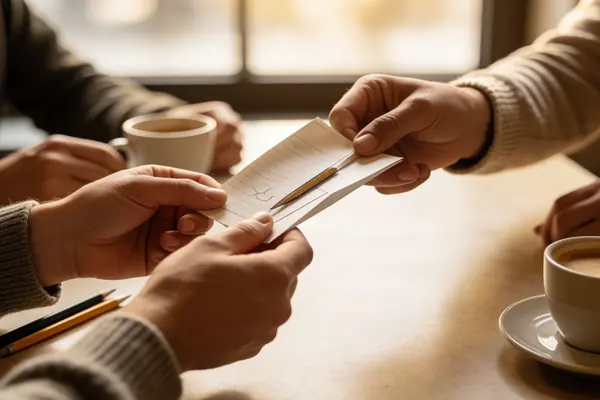
In the parlour game consequences, players write in turn, fold the paper to hide what they wrote and pass it on. The story is read out at the end.
Pick a version doodlegang
DRAWING TOGETHER
One sheet of paper, several people, no peeking.
Pick a version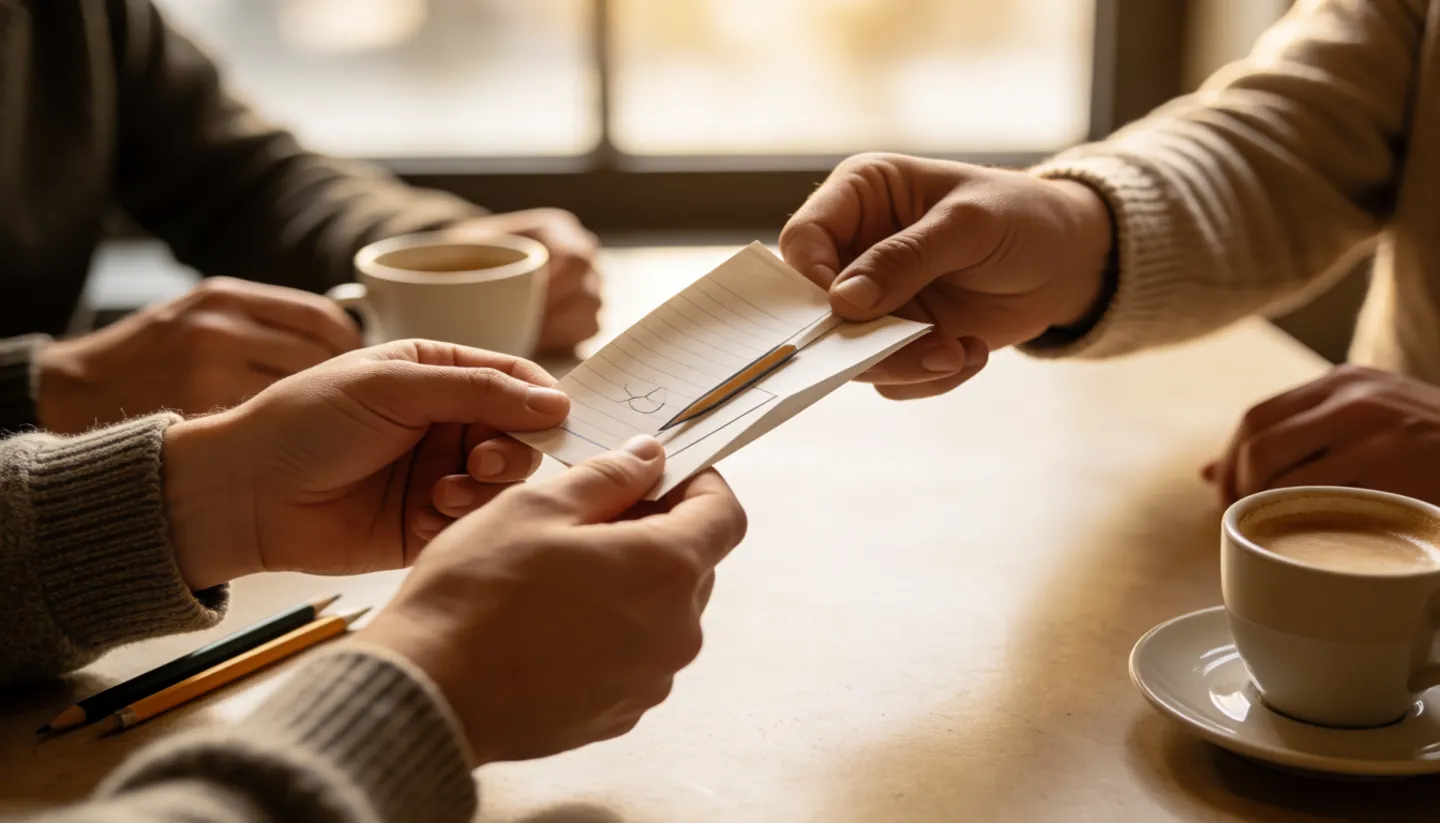
1925Paris, a game begins
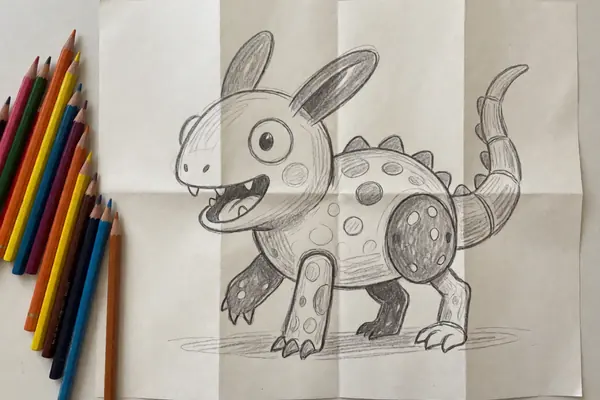
The exquisite corpse is a drawing game for a group. Each person adds a part, folds the paper to hide it and passes it along. The Surrealists made it famous in 1920s Paris, but it grew out of an older parlour game.
Updated
THE SHORT ANSWER
Words came first, then pictures.
The fold is what makes it work.
THE OLD GAME
In the parlour game consequences, players write in turn, fold the paper to hide what they wrote and pass it on. The story is read out at the end.
Pick a versionTHE SURREALISTS
Tate dates the drawing game to 1925 in Paris. Its name came from one of the first sentences the players made: the exquisite corpse will drink the new wine.
See the numbersTODAY
You need paper, pencils and at least two people. The traditional figure is drawn in four parts: head, torso, legs and feet.
How to playPICK A VERSION
Choose a version of the fold-and-pass game. The bar shows how much drawing it involves.
Versions as described by Tate and in the Wikipedia articles on exquisite corpse and consequences.
TWO NUMBERS WORTH KNOWING
One date for the Surrealist game,
one number for a single surviving sheet.
1925
Year Tate gives for the drawing game
Tate says the exquisite corpse was invented in 1925 in Paris by Surrealists including Yves Tanguy, Jacques Prévert and André Breton. Some accounts put the word game earlier, at least 1918.
THE START · TATE
4 artists
Artists on one 1928 exquisite corpse
A 1928 sheet in the National Gallery of Victoria was made by Man Ray, Max Morise, André Breton and Yves Tanguy, in colour crayon, crayon and ink, 30.5 by 20 cm.
ONE SHEET · NGV MELBOURNE
Breton recalled that the game started in fun at a house at 54 rue du Château in Montparnasse, and that it became playful and eventually enriching.
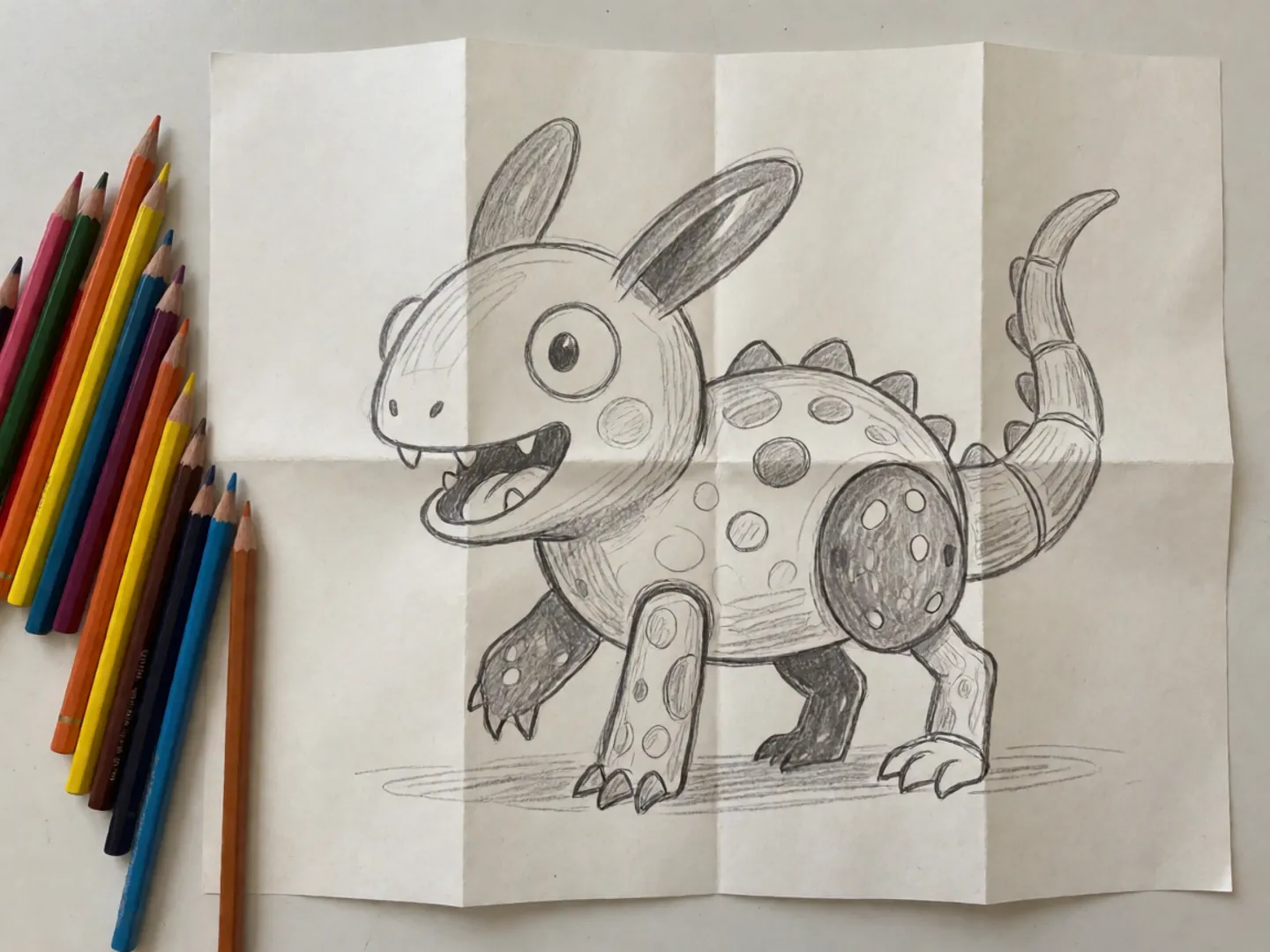
PLAY IT TONIGHT
No skill needed. The fun is in not knowing what the others drew.
Fold a sheet into four horizontal bands and open it out again, so each player has one band: head, torso, legs and feet.
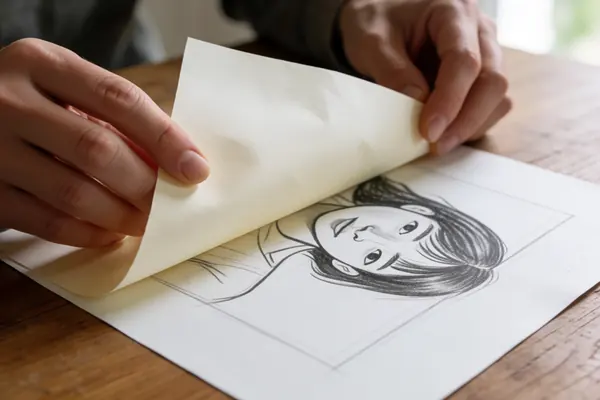
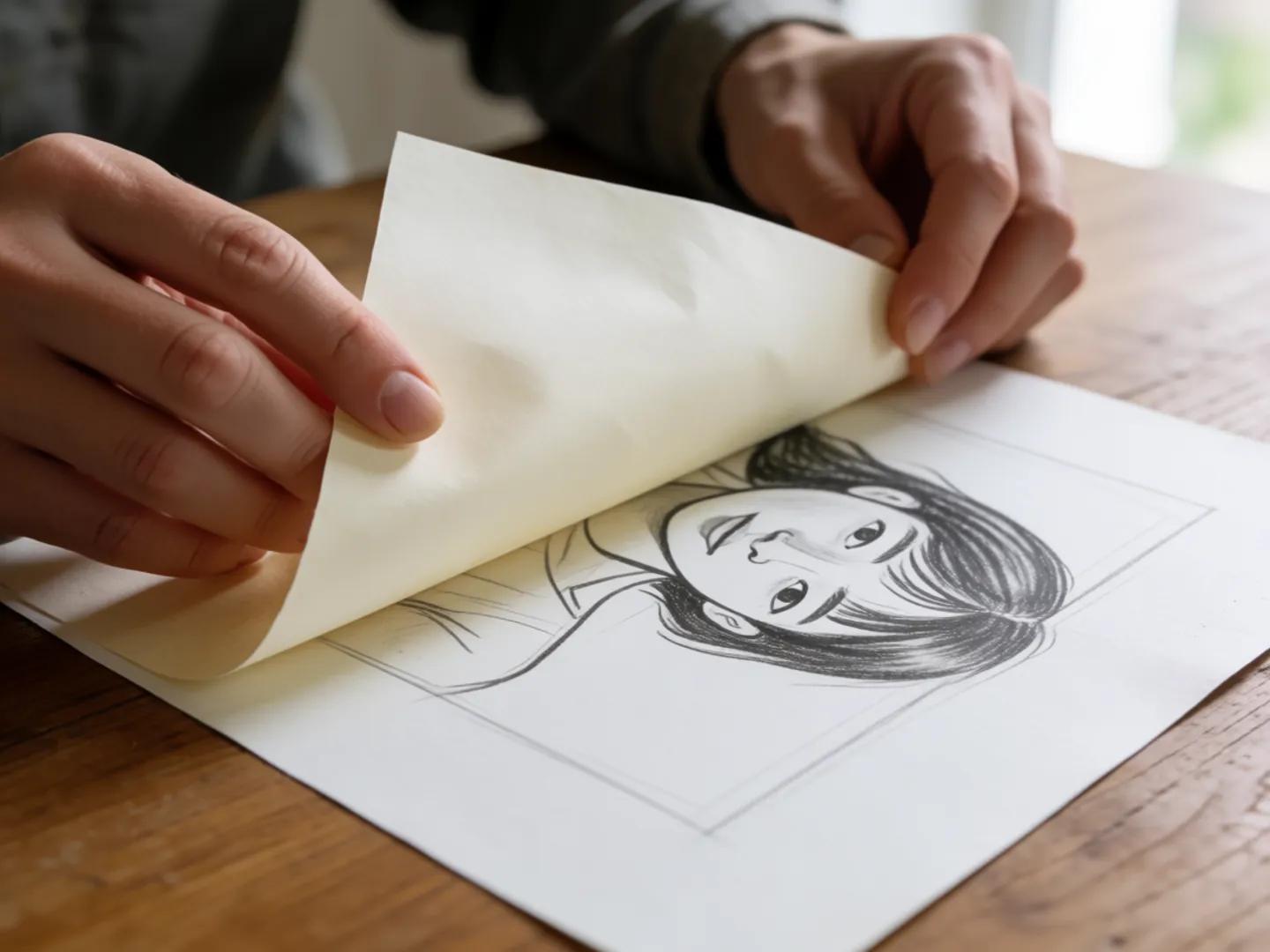
The first person draws a head in the top band, lets a few lines cross the fold as a guide, then folds it back out of sight.
Each player draws their part from those few guide lines alone, folds it away and hands the paper to the next person.
When the feet are done, open the sheet with everyone watching. Then give your creature a name.
IN THE MUSEUMS
Sheets from these games are now kept by major collections. The Menil Collection in Houston holds a graphite exquisite corpse of about 1934 by André Breton, Victor Brauner, Yves Tanguy and Jacques Hérold.
The game also travelled: the writer Henry Miller often played it in French cafés in the 1930s, and in 1932 Frida Kahlo and Lucienne Bloch made two exquisite corpse drawings together.
Questions
The name comes from a sentence made when the Surrealists first played the word version: le cadavre exquis boira le vin nouveau, the exquisite corpse will drink the new wine.
It grew out of the older parlour game consequences. Tate credits a group of Surrealists in Paris in 1925, including Yves Tanguy, Jacques Prévert and André Breton.
At least two, but the traditional figure has four parts, so four players works neatly: one each for the head, torso, legs and feet.
No. The game was meant to produce bizarre, intuitive results. Breton said it started in fun, and the surprise matters more than skill.
Yes. Tate notes that artists since the Surrealists have used it as a drawing approach, and museums such as the Menil and NGV keep historic examples.
ABOUT THIS NAME
doodlegang.com is part of the DoodleSale portfolio. It isn't in an auction right now, but you can ask about leasing it.